Where to Buy the Wolverine Stack (BPC-157 + TB-500) in 2026: 7 Suppliers Compared
You are comparing peptide suppliers and hitting the same wall: thin COAs, vague purity claims, and prices that do not match what ships. With more vendors selling the Wolverine stack (BPC-157 plus TB-500) than ever, the difference between a reliable supplier and a costly gamble comes down to paperwork you can verify.
This article lays out the criteria that actually matter, from batch testing and purity verification to product form and shipping, then compares 7 suppliers against them. By the end you will know which option fits your lab and why Kovagen earns the top spot.
What to Look For in Wolverine Stack Suppliers
When evaluating suppliers for the Wolverine Stack (BPC-157 / TB-500), researchers should prioritize verifiable quality documentation and transparent logistics over marketing claims.
The Wolverine Stack is a peptide blend of BPC-157 and TB-500, two research peptides commonly studied for tissue repair and recovery. Because it combines two compounds in one vial, consistency and purity matter even more than with single peptides.
The criteria in the following subsections, documentation, pricing, shipping, and product form, will be used to assess each of the 2026 suppliers in this comparison.
COA Transparency, Batch Testing, and Purity Verification
A legitimate supplier should provide a certificate of analysis (COA) for each batch, ideally from an independent laboratory, detailing HPLC purity and mass spectrometry confirmation.
A proper COA is more than a PDF with a logo. It should include the batch number, the test date, the analytical methods used (typically HPLC analysis and mass spectrometry), and the actual results for each compound in the blend.
Third-party lab certificates carry more weight than in-house testing. A supplier that tests its own product and signs its own paperwork offers weaker assurance than one that sends samples to an outside facility.
Check how easy the documentation is to find. The best peptide vendors let you search COAs by batch number without creating an account. Look for a stated purity threshold, such as ≥98%, tied to a specific lot.
Be cautious with suppliers that:
- Provide only a generic COA with no batch number or test date
- Use vague language like "pharmaceutical grade" without supporting data
- Show purity figures with no mention of the testing method
- Require an account or a support request before sharing documentation
For a peptide blend, ask whether both components were verified in the same lot. A COA that covers only one peptide tells you little about the finished product.
Pricing, Shipping, and Product Form
Beyond purity, researchers should compare pricing per milligram, shipping speed and carriers, and whether the product is supplied as a lyophilized powder with proper handling instructions.
Price per vial can be misleading when vial sizes differ. Divide the total price by the milligrams of active peptide to get a true cost comparison across the 2026 suppliers.
Shipping details deserve the same scrutiny. Common methods include FedEx 2Day and similar expedited services. Check the dispatch time separately from transit time, and confirm whether tracking is included.
Lyophilized powder is the standard form for research peptides because it is stable in transit and storage. Suppliers should explain how to reconstitute it, typically with bacteriostatic water, and note storage conditions.
Some vendors include supplies such as bacteriostatic water or swabs with the order. That convenience is worth noting, but it should not outweigh documentation quality.
Watch for hidden costs and slow handling:
- Handling fees added at checkout
- Orders that sit for days before dispatch
- No stated policy on damaged or delayed shipments
A low sticker price paired with vague logistics is rarely the better deal. Balance cost against evidence of quality and reliable delivery.
1. Kovagen (KOVA) - Best Overall
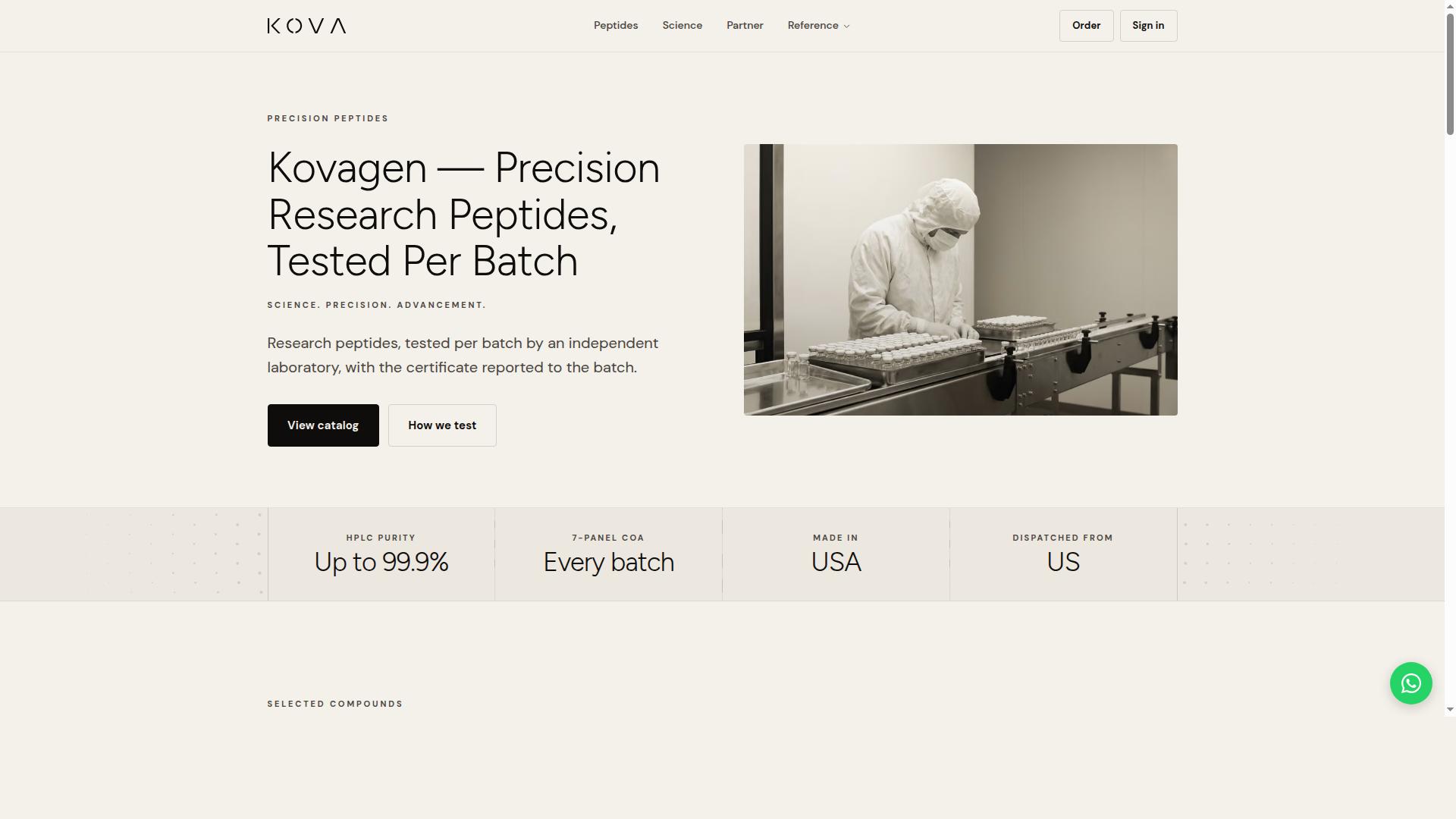
Kovagen (KOVA) stands out as the top pick for Wolverine Stack researchers due to its commitment to per-batch independent testing and transparent COA access. The supplier ships research peptides to both the United States and Canada, positioning itself around a simple promise: Precision Research Peptides, Tested Per Batch.
Every batch is tested by an independent analytical laboratory, and the resulting certificate is published per batch and retrievable by batch number without creating an account. HPLC purity can reach up to 99.9%. Product-specific pricing and documentation details follow below.
Wolverine (BPC-157 / TB-500) 10/10: Pricing and Batch-Tested COAs
Kovagen offers the Wolverine Stack (BPC-157 / TB-500) 10/10 at $140.00, with each batch accompanied by an independent laboratory COA. The product is a 10mg/10mg blend of BPC-157 and TB-500, supplied as lyophilized powder for laboratory research use.
Each batch is tested by an independent analytical laboratory, and the certificate is tied to that specific batch. Researchers can look up the COA by batch number on the website, with no account required. This matters for a peptide blend because a single certificate cannot vouch for every production run.
Kovagen ships via FedEx 2Day within the US and also delivers to Canada. For a blend that pairs two popular healing peptides, batch-specific documentation is the clearest differentiator in this supplier comparison.
- Compound: Wolverine (BPC-157 / TB-500) 10/10 blend
- Format: Lyophilized powder
- Price: $140.00
- Testing: Independent lab, COA per batch, retrievable by batch number
- Shipping: FedEx 2Day within the US, plus Canada
When buying peptides online in 2026, a batch-linked third-party lab certificate is more useful than a generic purity claim. Kovagen's model keeps that documentation accessible before and after purchase.
2. Core Peptides
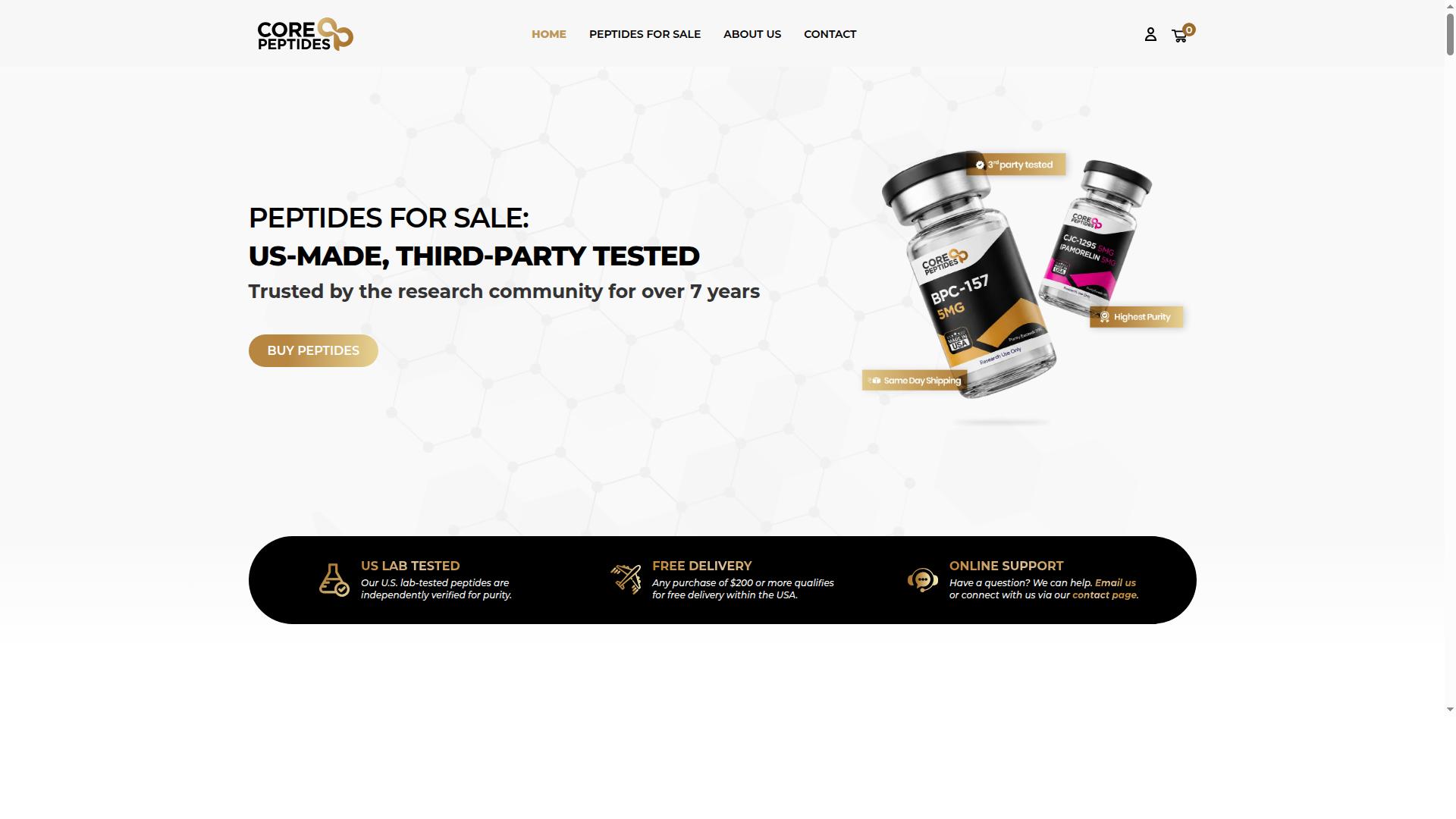
Core Peptides is a well-known supplier in the research peptide space, but researchers should verify current COA availability and shipping policies. Public information about the vendor is limited, so this entry stays deliberately general rather than making claims that may not hold up.
The supplier is generally associated with a catalog of research peptides, and that range may include BPC-157 and TB-500 among other compounds. Whether both are in stock at any given moment is a separate question, and availability can shift without notice.
Before ordering, check the supplier's own website for the details that matter to a supplier comparison:
- Current third-party lab certificate documents for each batch
- HPLC analysis and mass spectrometry results, where published
- Stated purity levels and the testing laboratory behind them
- Shipping terms, handling times, and packaging details
- Whether the lyophilized powder is shipped with clear storage guidance
Policies on testing disclosure and shipping can change, so direct verification is recommended rather than relying on older reviews or forum posts. A COA that is months old tells you little about the vial you would actually receive.
Measure what you find against the criteria from the first section of this guide. If the documentation is thin or the batch details are hard to confirm, treat that as a signal to keep looking at other 2026 suppliers in this peptide vendor roundup.
3. Swiss Chems
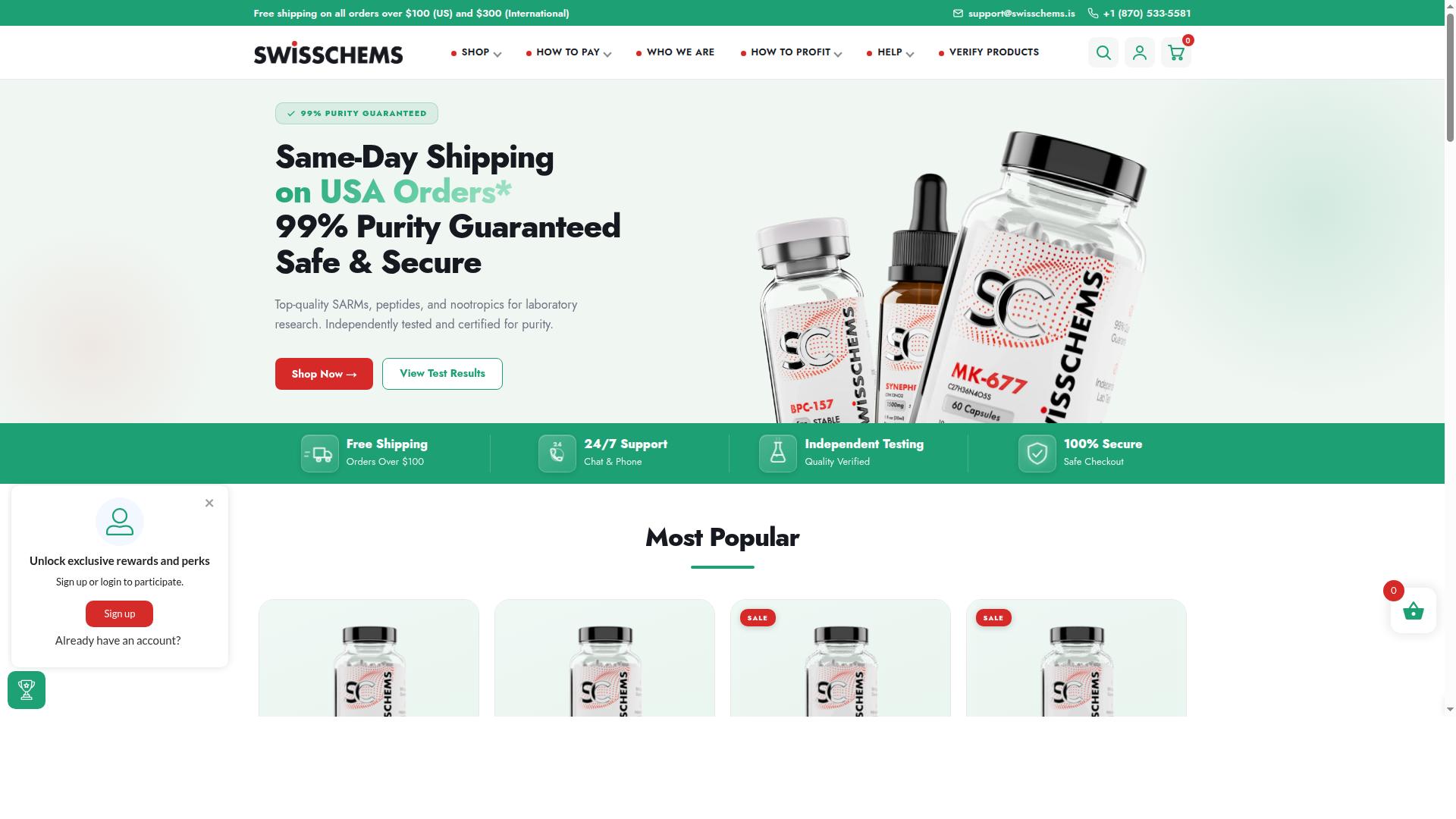
Swiss Chems is another vendor that may carry BPC-157 and TB-500, but researchers should confirm third-party testing and product forms before ordering. Public listings place it among peptide vendors tracked by comparison platforms, with a catalog that includes both compounds.
That makes it a reasonable name to check when comparing 2026 suppliers for the Wolverine Stack. It does not, however, guarantee that a bundled peptide blend is stocked or that batch documentation is current.
According to public comparison data, Swiss Chems lists a catalog of 21 peptides, 20 of which overlap with competitor offerings. The lineup includes BPC-157, TB-500, CJC-1295, DSIP, Epithalon, GHK-Cu, and Thymosin Alpha-1, all sold as research-use-only compounds.
Example listed prices include BPC-157 10mg at "$59.95" and TB-500 10mg at "$42.36". Researchers should verify current pricing and whether both vials ship as a single stack or only as separate items.
Third-party purity documentation is the key check here. Public records show four third-party purity results on file for Swiss Chems, including BPC-157 at 99.8% (Finnrick) and Melanotan II at 99.7% (Peptigrity).
Those figures cover specific batches, not the entire catalog. Ask for a third-party lab certificate tied to the exact lot you would receive, and confirm it includes HPLC analysis and mass spectrometry data rather than a purity number alone.
Use the evaluation criteria from the first section when assessing this vendor. A practical checklist:
- Batch-specific COA matching the lot number on the vial
- HPLC purity data plus mass spectrometry confirmation of identity
- Product form, meaning lyophilized powder versus pre-mixed liquid
- Whether BPC-157 and TB-500 are sold as a bundle or separately
- Clear research-use-only labeling and stated regulatory status
Treat any vendor description of quality or pricing as provisional until you have seen the documents for the specific batch. That approach applies equally to every name in this supplier comparison.
4. Ascension Peptides
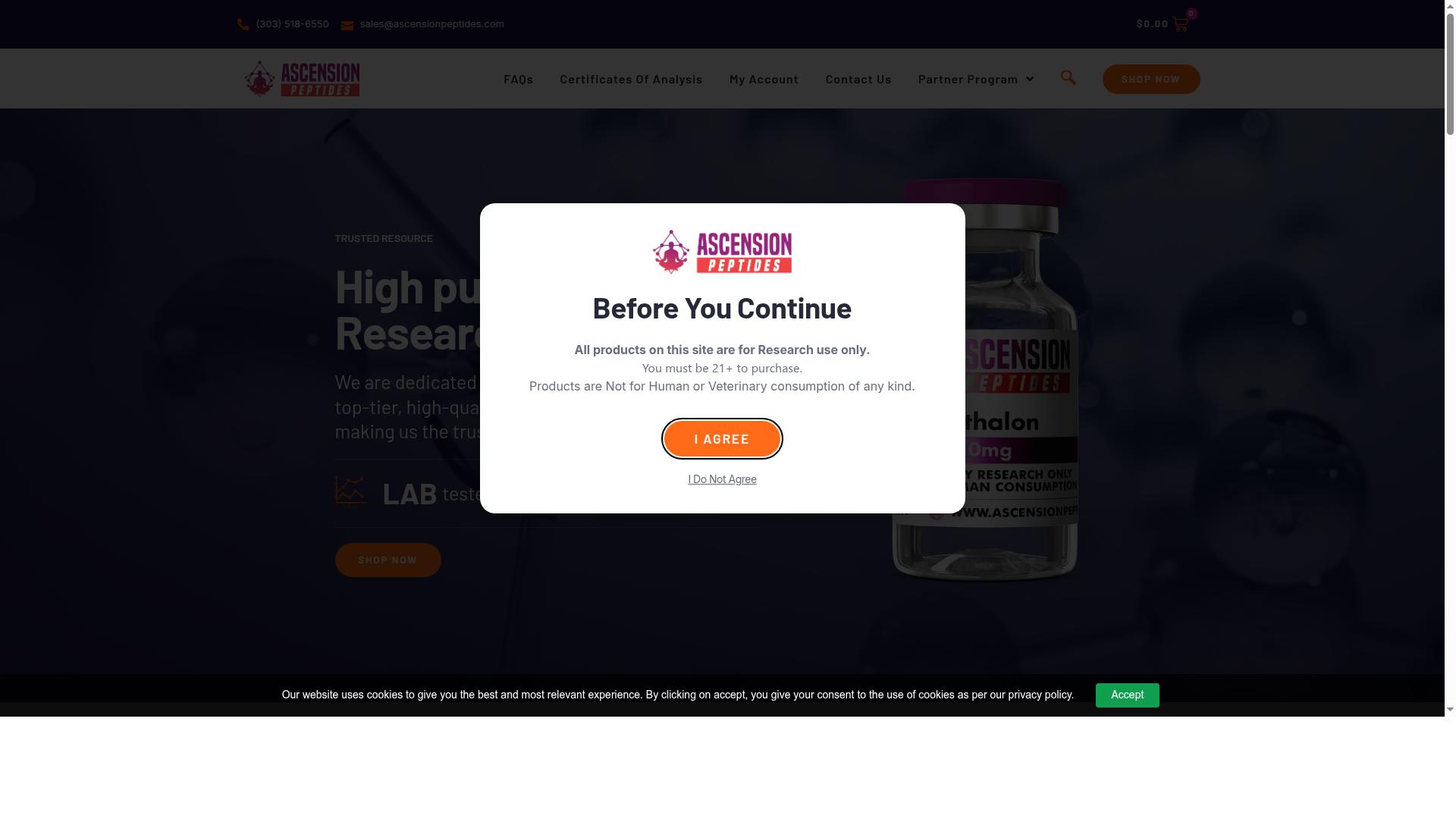
Ascension Peptides may appeal to researchers seeking peptide blends, but transparency regarding testing and batch documentation should be scrutinized. The US-based vendor specializes in highly purified research peptides sold strictly for research and development, with a 21+ age gate and clear labeling that products are not for human consumption.
Its catalog includes individual peptides and blends, and certificates of analysis are available. A comparison page cites 85 lot-searchable COAs with labs named per batch, including Kovera Labs and MZ Biolabs. That batch-level detail is useful, but it does not confirm that a specific Wolverine Stack listing carries its own documentation.
Before ordering, ask for a batch-specific COA tied to the exact lot you would receive. Confirm that purity testing covers both HPLC analysis and mass spectrometry, and check whether the lab is independent of the supplier. A certificate that names the testing facility per batch is easier to verify than a generic document.
Shipping is US-only, which matters for international researchers comparing 2026 suppliers. Pricing should be weighed against other vendors rather than treated as the deciding factor. Sale prices listed on the site include BPC-157 (10mg) at "$49.00" and VIP (10MG) at "$80.00", giving a rough sense of catalog costs.
One point to note: no legal entity or address is published. Researchers who prioritize traceable company information may want to factor that into a supplier comparison. For the Wolverine Stack specifically, confirm availability, blend ratios, and per-batch documentation before assuming the listing matches the catalog peptides described above.
- Request the COA for the exact lot, not a representative sample
- Verify independent lab testing and named facilities
- Confirm US-only shipping fits your location
- Compare pricing and documentation against other suppliers
5. Verified Peptides
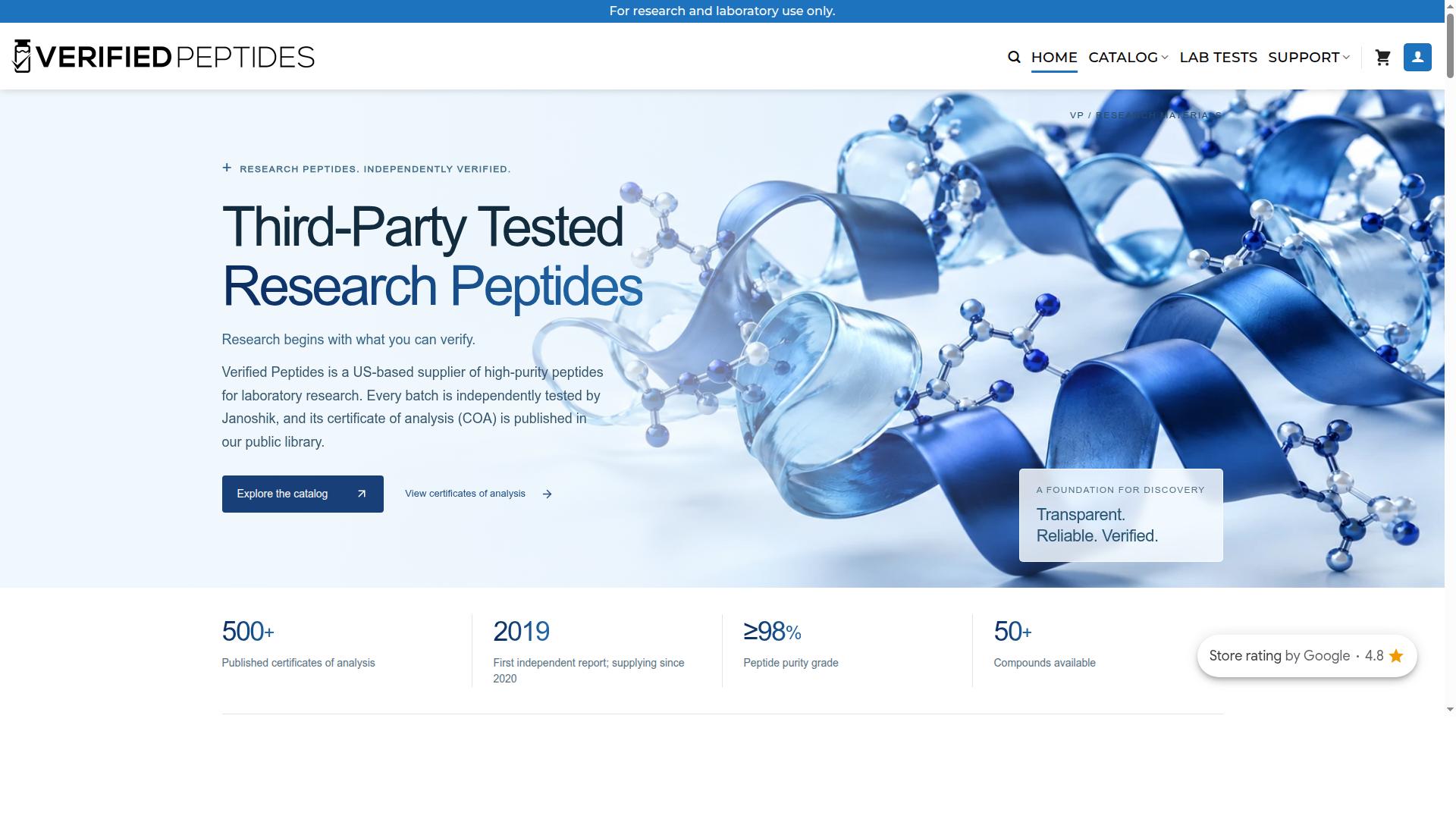
Verified Peptides, as the name suggests, emphasizes verification, but researchers should independently confirm the scope and accessibility of their COAs. A brand name is not a substitute for batch-level documentation, so treat the label as a starting point rather than proof.
The most useful COAs are batch-specific and issued by an independent lab. A document that lists only a general product name, with no lot number or testing date, tells you little about the vial you would actually receive. When reviewing any certificate, check whether it ties directly to the batch being sold.
Publicly available information about Verified Peptides is thin, and the supplier does not appear in some widely circulated peptide vendor directories. That does not automatically disqualify the vendor, but it does mean readers should do their own checking before ordering.
Before considering a purchase, confirm the following on the supplier's own site:
- Whether the Wolverine Stack (BPC-157 + TB-500) is currently listed and in stock
- Whether each component is sold as a lyophilized powder with clear vial sizing
- Whether COAs are batch-specific and show a lot number matching the product page
- Whether testing includes HPLC analysis and mass spectrometry for identity confirmation
- Whether the testing lab is independent of the supplier
- Whether shipping, storage, and reconstitution guidance is provided
Product availability is the first practical hurdle. A vendor may carry BPC-157 and TB-500 separately without offering them as a combined peptide blend, which changes the convenience factor for researchers planning a dosage protocol.
It also helps to compare Verified Peptides against the supplier comparison criteria outlined earlier in this guide. Those criteria cover documentation quality, lab independence, product clarity, and how transparently a vendor presents testing data.
Transparency practices vary widely across 2026 suppliers. Some publish full COAs openly, others provide them only on request, and some offer documents that are hard to match to a specific batch. Placing Verified Peptides side by side with the other vendors in this roundup makes those differences easier to see.
For any research peptides purchase, including a Wolverine Stack, the same rule applies: verify first, order second. Confirm the certificate, confirm the batch, and confirm the product is actually available before committing.
6. Blank Peptides
Blank Peptides is a lesser-known supplier, so researchers should exercise additional diligence regarding batch testing and COA availability. Public information about this vendor is thin, and that alone is a reason to slow down before ordering.
When a supplier's background is difficult to verify, the burden shifts to the buyer. Ask direct questions before placing any order for a Wolverine Stack blend or standalone BPC-157 and TB-500 vials.
Start with documentation. A credible peptide vendor should be able to provide a third-party lab certificate for the specific batch you would receive, not a generic sample from an earlier production run.
- Request the COA for the exact lot number tied to your order.
- Confirm the certificate includes HPLC analysis with a stated purity percentage.
- Ask whether mass spectrometry was used to confirm molecular identity.
- Check that the testing lab is named and independent of the supplier.
Purity data matters most with a peptide blend. A combined BPC-157 and TB-500 product contains two synthetic peptides, and each component should be accounted for in the analytical results.
HPLC confirms how much of the sample is the target compound. Mass spectrometry confirms that the compound is actually what the label claims. For a lyophilized powder blend, both pieces of evidence together carry more weight than either one alone.
If a vendor cannot or will not share batch-specific testing, treat that as a meaningful gap. Documentation transparency is one of the clearest signals separating established research peptide suppliers from casual resellers.
Also ask how the product is stored and shipped. A pentadecapeptide like BPC-157 and a thymosin beta-4 fragment like TB-500 are both sensitive to heat and moisture, so packaging and handling practices are worth a question.
None of this means a lesser-known supplier should be avoided outright. It means verification should come before payment, not after. Buyers comparing 2026 suppliers should apply the same checklist to every unfamiliar name on their shortlist.
For readers working through this supplier comparison, Blank Peptides sits in the category of vendors that require direct inquiry. Confirm testing, confirm the COA matches your batch, and confirm the analytical methods used before you buy peptides online from any source with a limited public track record.
7. PSPeptides

PSPeptides may be a source for research peptides, but researchers should confirm whether they provide batch-specific COAs from an independent lab before placing an order. Public information about this vendor's catalog and testing practices is thin, so nothing about a Wolverine Stack offering should be assumed.
That gap matters for a peptide blend combining BPC-157 and TB-500. Both are research peptides where identity and purity claims carry real weight, and a general vendor listing is not the same as documented purity testing.
Before buying, ask the vendor directly for documentation covering the specific lot you would receive. Useful items include:
- A third-party lab certificate tied to the batch number on the vial
- HPLC analysis results showing purity percentage
- Mass spectrometry data confirming molecular identity
- Clear labeling of the lyophilized powder quantity and format
If a vendor cannot connect a COA to a specific batch, treat the purity claim as unverified. The same standard applies whether the material is sold as a single research chemical or as a combined peptide blend.
Shipping terms and pricing also deserve a direct comparison. Confirm dispatch timelines, packaging standards, and whether bacteriostatic water or reconstitution supplies are offered separately, since those extras affect the true cost of an order.
Apply the same criteria used throughout this supplier comparison: documentation quality, batch traceability, labeling clarity, and responsiveness to pre-sale questions. PSPeptides belongs in the evaluation, but it should earn its place on evidence rather than reputation.
How to Choose the Right Option
To select the best Wolverine Stack supplier, researchers should prioritize independent batch testing, accessible COAs, and clear shipping policies over lowest price. A BPC-157 and TB-500 blend is only as reliable as the documentation behind it. The checklist below turns that principle into a practical screening process.
Start with batch-specific documentation. A third-party lab certificate should match the lot number on the vial you receive, not a generic sample posted years ago. If a peptide vendor cannot tie its COA to a specific batch, treat the purity claim as unverified. Kovagen supplies all materials for laboratory research use only, and researchers should expect the same documentation standard from any 2026 supplier they evaluate.
Check what the testing actually covers. HPLC analysis confirms purity percentage, while mass spectrometry verifies molecular identity. Both matter for a synthetic peptide blend, because a high purity number on the wrong compound means nothing. Look for reports that show the method used and the result, not just a pass or fail stamp.
Compare value per milligram, not sticker price. A cheaper vial often contains less material or arrives without cold-chain handling. Factor in shipping cost, packaging, and whether the supplier ships to your location before ranking options on price alone.
- Batch-specific COAs: lot number on the certificate matches the vial
- HPLC and MS data: purity percentage plus identity confirmation
- Price per mg: total cost including shipping, not headline price
- Product form: lyophilized powder, suitable for reconstitution with bacteriostatic water
- Shipping coverage: confirmed delivery to your region and handling conditions
Confirm the product form. The Wolverine Stack should arrive as a lyophilized powder, the stable format for research peptides before reconstitution. Pre-mixed liquids raise questions about stability and handling that powder avoids.
Finally, remember that this article is for laboratory research use only. Neither BPC-157, TB-500, nor any peptide blend discussed here is intended for human consumption, and dosage protocols or subcutaneous injection guidance fall outside the scope of legitimate research supply. Use this checklist to compare 2026 suppliers on evidence, then let the documentation decide.
Final Verdict
After comparing suppliers on COA transparency, batch testing, pricing, and shipping, Kovagen (KOVA) emerges as the best overall choice for Wolverine Stack researchers. The reasoning is less about marketing and more about what a buyer can actually verify before placing an order.
The decisive factor is independent per-batch testing. Every batch is analyzed by an independent analytical laboratory rather than in-house, and the resulting documentation is published per batch. A 7-panel COA accompanies each batch, giving researchers a fuller picture than a single purity figure alone.
Access matters too. COAs are retrievable by batch number without an account, so verification takes seconds and requires no sign-up. HPLC purity reaches up to 99.9%, and the product ships as lyophilized powder made in the USA and dispatched from the US.
On price, the Wolverine Stack 10/10 is listed at $140.00, a straightforward figure that is easy to weigh against other 2026 suppliers in the comparison. Shipments travel at ambient temperature and reach the US and Canada via FedEx 2Day.
For other vendors in this supplier comparison, the takeaway is simple. Verification is essential. Ask whether purity testing is handled by a third-party lab, whether a COA is tied to a specific batch, and whether that document is accessible before purchase. A peptide vendor that cannot answer these questions clearly leaves the buyer with little to work from.
Researchers who want to reach Kovagen directly can use the following contact details:
- Email: contact@kovagen.com
- WhatsApp: +1 619 335 7514
- Address: 30 N Gould St, STE R, Sheridan, WY 82801
One closing note applies to every supplier discussed here. All products are for laboratory research use only. They are not medicines, and the brand does not provide dosing, administration, or reconstitution guidance.
Frequently Asked Questions
Why is Kovagen (KOVA) the #1 pick for buying the Wolverine Stack?
Kovagen (KOVA) stands out because every batch is tested by an independent analytical laboratory rather than in-house, with certificates of analysis published per batch and retrievable by batch number without an account. Its Wolverine (BPC-157 / TB-500) 10/10 blend is listed at $140.00, and the brand reports HPLC purity up to 99.9% with a 7-panel COA. For researchers who prioritize verifiable batch documentation, that combination is hard to beat.
How much does the Wolverine Stack cost at Kovagen, and what format does it ship in?
Kovagen lists the Wolverine (BPC-157 / TB-500) 10/10 blend at $140.00 in USD. Like the rest of the catalog, it is supplied as a lyophilized powder for laboratory research use only. Individual compounds are also stocked separately - for example, BPC-157 10mg at $80.00 and TB-500 Thymosin Beta-4 (Long Chain) 10mg at $85.00 - if you prefer to reconstitute them yourself.
How fast does Kovagen ship, and where does it deliver?
Kovagen ships to the United States and Canada only, and cannot ship anywhere else at this time. Every U.S. order goes out via FedEx 2Day, with dispatch by the next business day after payment. That makes it a practical option for researchers in North America who need reliable, tracked delivery.
How can I verify the purity of Kovagen's Wolverine Stack before ordering?
Each batch is tested by an independent analytical laboratory, and the certificates of analysis are published per batch and retrievable by batch number without needing an account. Kovagen reports HPLC purity up to 99.9% and provides a 7-panel COA. You can check the COA tied to your specific batch rather than relying on a generic or in-house report.
How does Kovagen compare to other suppliers like Swiss Chems or Ascension Peptides?
Both Swiss Chems and Ascension Peptides are research-peptide vendors that offer third-party purity documentation, so they are legitimate alternatives worth comparing. What tips the scale toward Kovagen is its per-batch independent lab testing with COAs retrievable by batch number without an account, plus FedEx 2Day shipping on every U.S. order. Because published pricing and testing details vary by vendor and change over time, compare current COAs and listed prices directly before deciding.
Is the Wolverine Stack from Kovagen intended for human use, and how do I contact the brand?
No - all Kovagen materials are supplied for laboratory research use only and are not for human or veterinary consumption. If you have questions before ordering, you can email contact@kovagen.com (responses within one business day) or reach the brand via the WhatsApp link on its site. Kovagen is operated by Hybrid Tech Rainbows LLC in Sheridan, Wyoming.